There are three sorts of people: those who are alive, those who are dead, and those who are at sea
1st August 1952, 5:40 am, coordinates: 50 degrees, 44’ 17’’ north and 1 degree 34’ 20’’ South. One of the buckets of the Pas-de-Calais II dredger raised a shell from the waters. It’s too late, nothing can be done: a powerful explosion was heard, the city woke up wondering what had happened: the biggest dredger of the world had just exploded. Report: 11 deaths and 6 injured.
This accident shows me, the importance of navigation for Boulogne and the many disasters which happened in this region. Indeed, according to the 08/01/1952 edition of Voix du Nord: after WWII 14 boats sank, most due to some shells which were underwater. Pas-de-Calais II was the worst sinking that occurred at that time, many families have been affected, including mine: with the death of Jules Paillart: my grandmother’s uncle at the age of 30 years old.
By noting the victims with the newspapers of that time, we can establish this list which shows us the origins of those sailors, some necrologies were written:
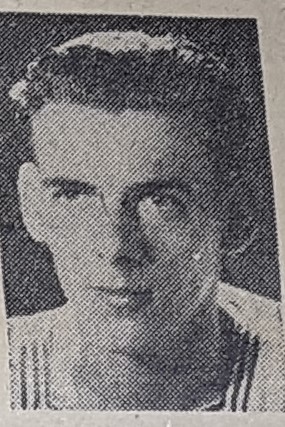
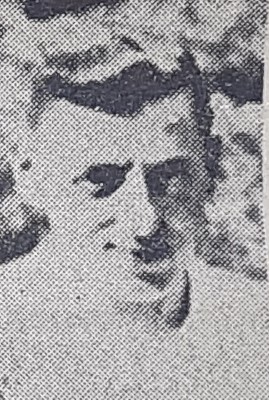
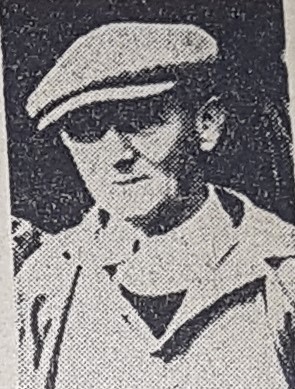
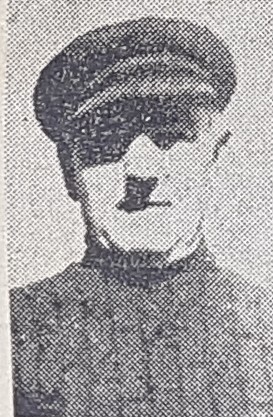
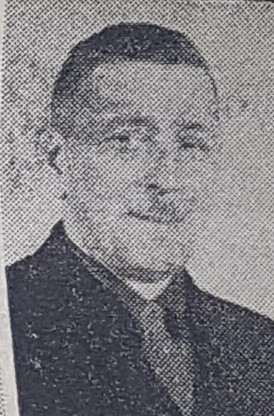
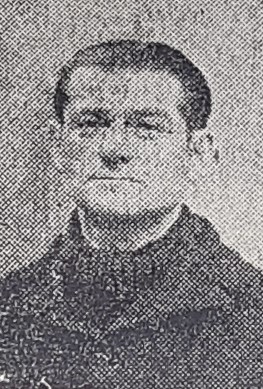
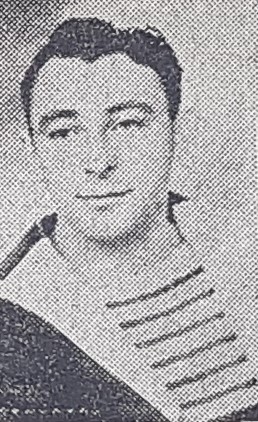
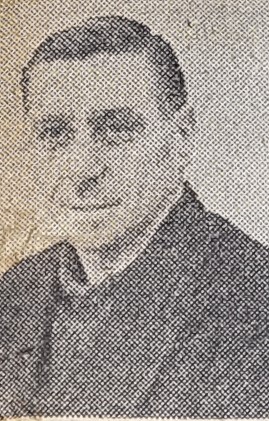
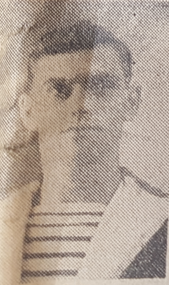
La Voix du Nord 08/02/1952 (from the right to left and top to bottom):
- Henri Debris (1927-1952)
- Louis Evrard: electrician, 32 years old, married, from a family of sailors, deported during the last war at the age of 19 years old.
- Marcel Flahaut, 45 years old, father, from an old family of sailors from Boulogne: Flahaut’s family
- Louis Gournay (1902-1952)
- Louis Leclerq: chief mechanic, born in Ambleteuse, 01/06/1891, injured during WWI, a widow for 13 years.
- Emile Leprêtre, 36 years old, born in Etaples, married, 2 children, he had worked for the company Fougerolles which he left last April.
- Jules Merlin
- Eugène Pernaud: 47 years old, married, boatswain, he had been sailing since he finished school. Common ancestors: Jean Louis Germe (1803-1878) and his wife Flore Delpierre (1803-1883), a family of sailors and fishermen from Boulogne, and another family of sailors: Jean Louis Germe (1779-1853) and Madeleine Mascot (1782-1859).
- Jules Paillard: 32 years old, sailor, 2 children: my grandmother’s uncle. His death affected our family a lot, especially his sister, my great grandmother who kept newspaper articles related to this tragic event. From this part of my tree, my family comes mostly from the North of France: Gravelines.
- Captain Yves Bellec: 60 years old, married, 2 children, he was born at Taulé (Finisterre, Bretagne) to a family of farmers. He lived in Boulogne for 25 years.
- Louis Marie Pont (1906-1952): another cousin due to Pierre Joachim Ledet (1790-1859) a sailor with his wife Marie Catherine Antoinette Gossin (1788-1853) from Wissant; Antoine Ledet (1734-1812) and Marie Françoise Ledet (1737-1802) from the same fishermen’s village.
The surviving crew members are Camille Lugeux, Jean-Baptiste Descamps, Marcel Jegoux and Joseph Billier who was severely injured, Joseph Le Gall, Charles Bernard.
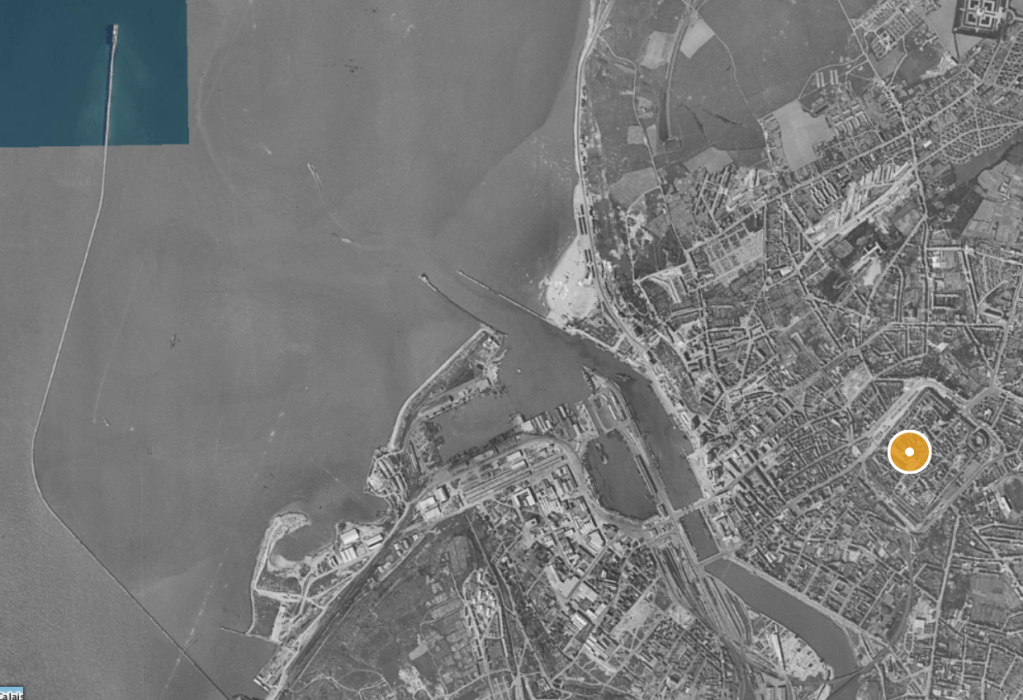
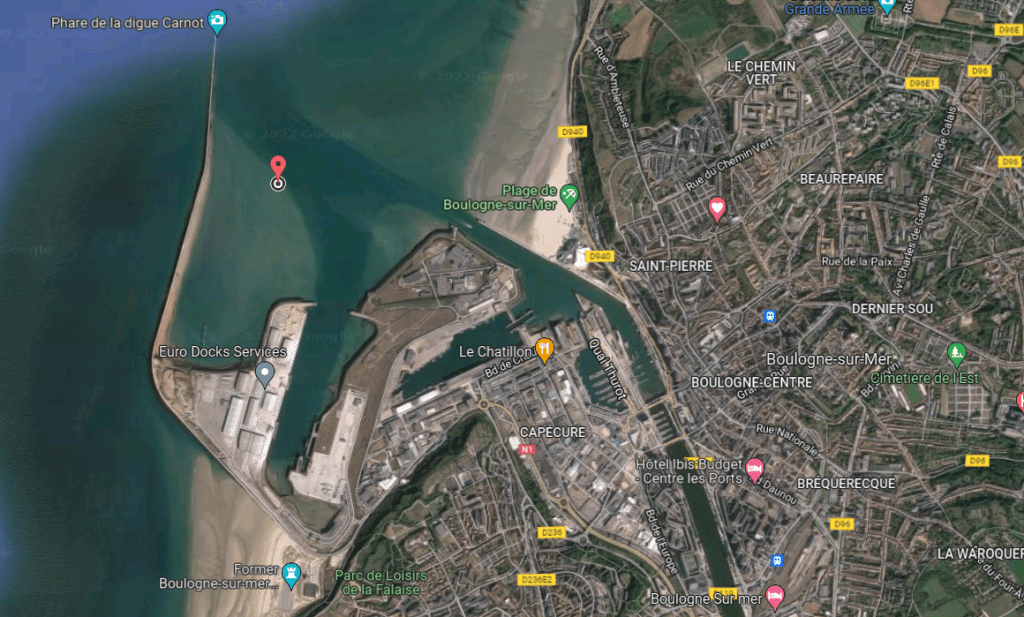
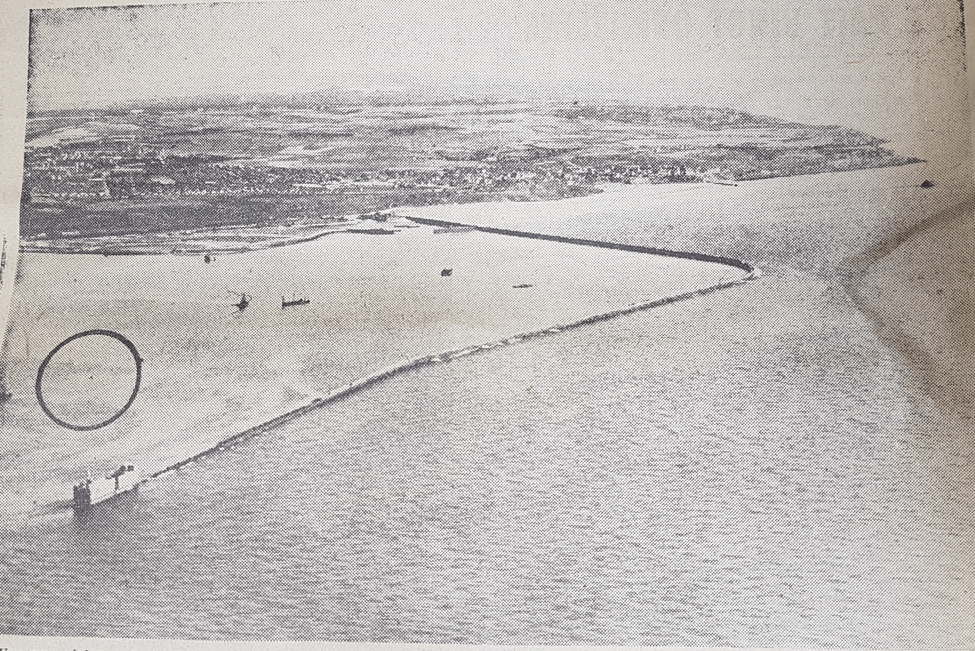
The location of the sinking showed with two maps and aerial photography from La Voix du Nord (08/02/1952): the first map of 1950.
This accident was heard throughout the city, some testimonies told that the blast of the explosion threw bodies to the cathedral (around 6 kilometers from the site of the wreck), but I think it’s certainly an exaggeration found on the power of the blast, but local newspaper mentions that the blast was heard throughout 6 or 7 kilometers after the town of Boulogne-sur-Mer.
However, a fact is that this accident caused collateral victims: thus, the Voix du Nord mentioned that Miss Marie-Aimée Boulogne, the housekeeper of Emile Leprêtre, and his brother Arsène who was the father-in-law of Henri Debris, died after knowing that the accident had taken place. Her illness at the time killed her when she heard that terrible news. The village of Bellebrune lost 3 inhabitants this day.
The accident had a national covering: I’ve found a newspaper from the South of France that talked about this tragedy. Also, the Prefect of Pas-de-Calais sent a condolence telegram to the families. The French ministry of interior also gave one million Francs to help the families of the victims. The funerals took place in the Saint Nicolas Church: the oldest church in the town and known as the fishermen’s church. The coffins were covered with French flags, the first places were from families of the victims, and all inhabitants of Boulogne were invited to this ceremony to commemorate those who died for the country. Indeed, this accident was another illustration of tragedies caused by war and especially WWII that had affected our town, with violent fights around and in the town. WWII with its bombings destroyed around 80% of Boulogne, so it was one of the French cities that had been the most destroyed in this period with Brest in Bretagne. Also, sea battles left many shells underwater, in this way, it was necessary to dredge the sea to allow the reopening of the port activities.
The Pas-de-Calais II dredger during its launching in Dunkirk on 09/09/1933: was the biggest in the world at this time (gallica).

La Volonté illustrée 09/09/1933:

Moreover, this sinking explains to us, the sailors’ tragic history that sailed in a dangerous environment, without knowing if they could get back home after fishing due to the dangers of the sea, very common. Historians agree that the life expectancy for a sailor was 10 or 20 years less than a farmer at the same time. In each fishing town, a “Calvaire”, (i.e.: a memorial to the sailors who died in the sea) had been built for their martyrs.
So, by telling this story, I wanted to show how genealogy and family history can connect us to an overview of an era. Sailor tragedies were very common in my family, and I think for everyone that has a personal past related to this profession. Sailors were forced to do this job to help their families to have a minimum level of subsistence. Women also helped their husbands in their tasks, but they were first the chefs of the house when men left home for a long fishing period (usually 1 month or more). For example, my great grandmother raised her 8 kids with the help of her older daughter: my grandmother, when my great grandfather fished in Iceland or in Canada. These families lived with the fear to heard bad news one day telling them about the sinking of their husbands’, brothers’, or father’s boat.
Like the popular French singer Renaud sang: « C’est pas l’homme qui prend la mer mais la mer qui prend l’homme » (It’s not the man who takes the sea, but the sea which takes the man).

 Ons-aieux